40+
Industrial companies
In production in manufacturing and services in Italy. Not a lab: processes that run every day.


The BPM platform that runs your workflows, measures every step and removes the hours lost to manual hand-offs. More work completed by the same people, on the ERPs you already have.
Demonstration process · the figures in the card are illustrative




















Processes under control and less work that produces no value. What it is worth on your process we measure together, with the data from your systems.
40+
In production in manufacturing and services in Italy. Not a lab: processes that run every day.
1
Instead of email, Excel and scattered tools. Departments work on the same process, with the same status.
The cost of someone leaving is not just recruitment: it is the months in which work slows down, errors go up and experienced colleagues coach instead of producing.
Today the "how it's done" lives in their head and their inbox. With FluxHub, steps, rules, documents and history are in the system: whoever takes over sees where every case stands and what is missing.
The workflow tells them what to do, in what order and with which documents. They become productive sooner, and you don't have to take weeks away from your most experienced colleagues to coach them.
In FluxHub every process is a single, central BPMN model: the same for every site, department and shift, and it is what the system actually runs. For the people running the company, this is what changes.
Not ten variants in ten Excel sheets. Every site and every department works on the same process, with the same checks: the outcome doesn't depend on who picks up the case.
From order to cash, work crosses sales, production and administration. With a single model you see where it piles up and which step slows everyone down, not just each person's piece.
A new approval threshold or an extra check is changed in the model, and from the next day the whole company follows it. No circulars, cascading meetings or habits to correct one by one.
Who approves what, up to which amount, with which documents: it is in the model and the system enforces it. Delegations are clear and exceptions reach the person who has to decide.
For an audit, a certification or a customer inspection there is nothing to reconstruct: every case has its own history, with the author and version of every step.
A new site, an extra line, an acquired company: you start from the model that already works instead of reinventing procedures and tools.
The software is the means. The result is these indicators: in the demo we choose the ones that matter to you and measure your starting point; after go-live you follow them on the dashboard.
More orders, cases and service jobs handled by the same people.
Revenue ÷ people involved in the processFewer hours spent re-keying, forwarding and chasing.
Hours on repetitive steps × hourly costA quote that goes out in hours instead of days closes more often.
From request to quote sentFewer days between order, delivery, invoice and payment.
Average days per case, step by stepService jobs, extras and work completed but never invoiced.
Activities closed without a linked invoiceEnter the numbers for one of your processes: orders, tickets, quotes, purchase requests. The calculation stays in your browser; no data is sent.
Indicative estimate: cases × minutes × share eliminated × hourly cost, over 12 months. Full time = 1,720 hours a year. Does not include errors avoided or revenue brought forward.
Designer, execution, dashboard, documents. One process, four pieces.
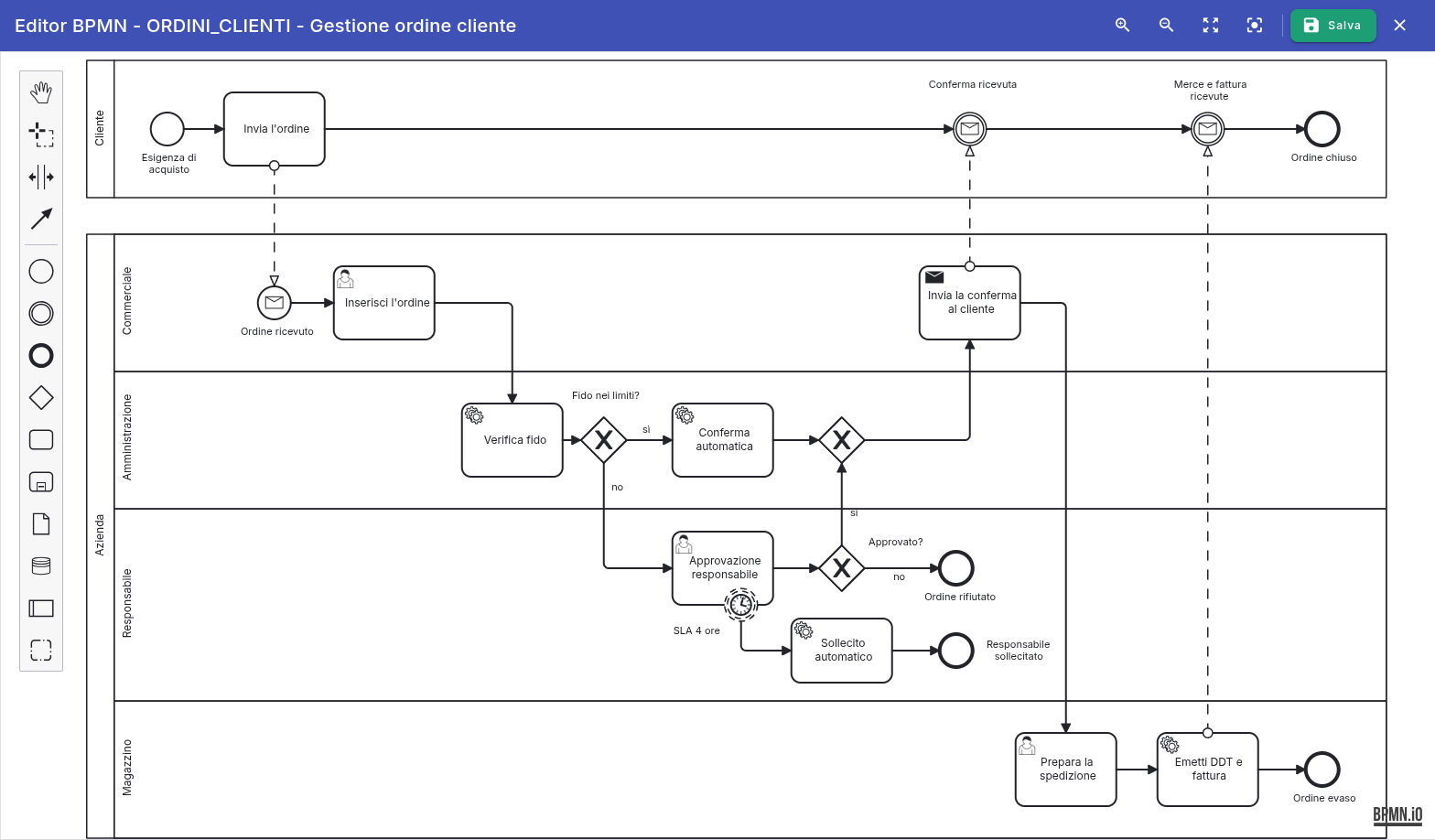
Visual BPMN editor. The people who live the process model it, and when the way of working changes they update it in days.
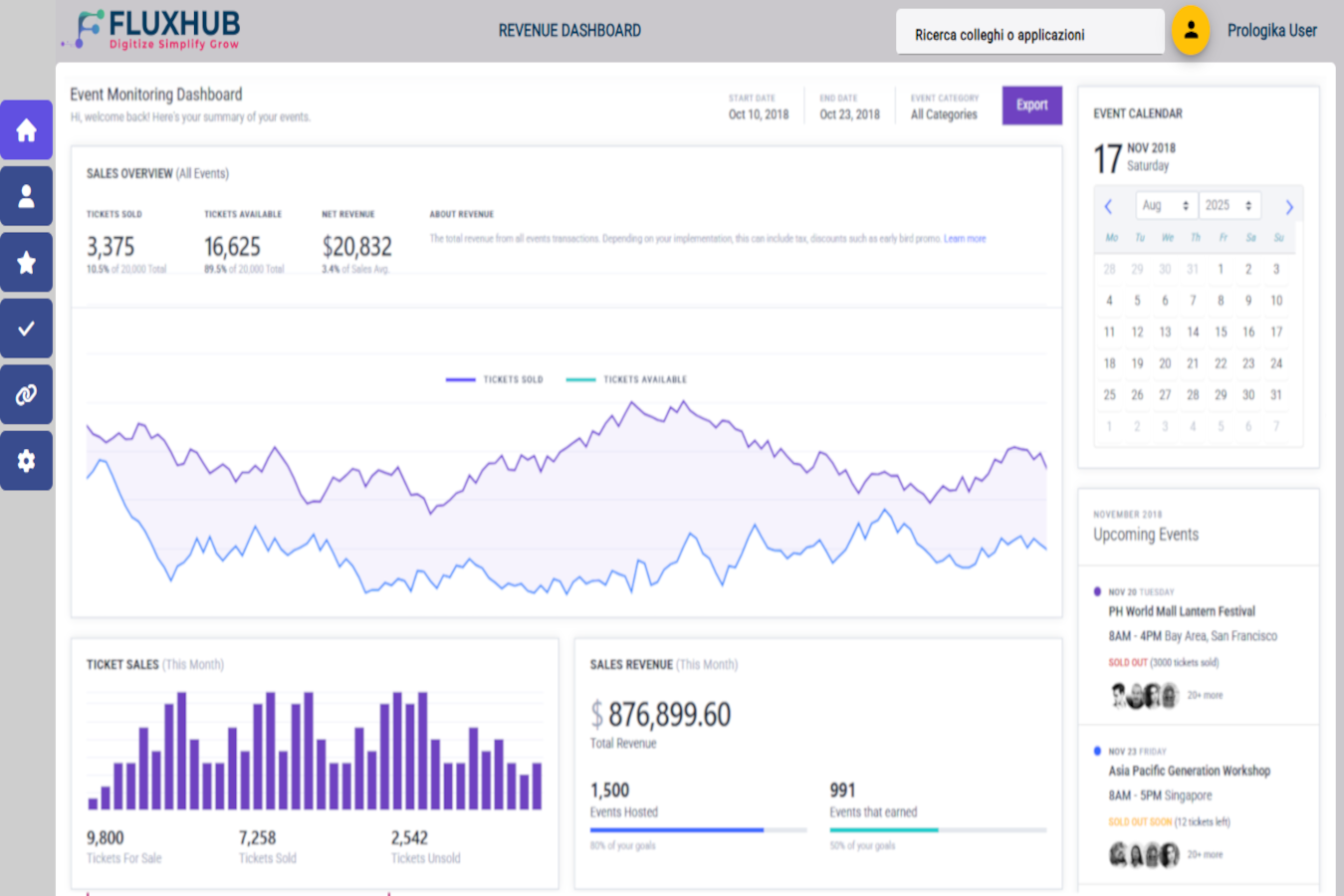
Times, queues, task owner. Alerts when a case is stuck.
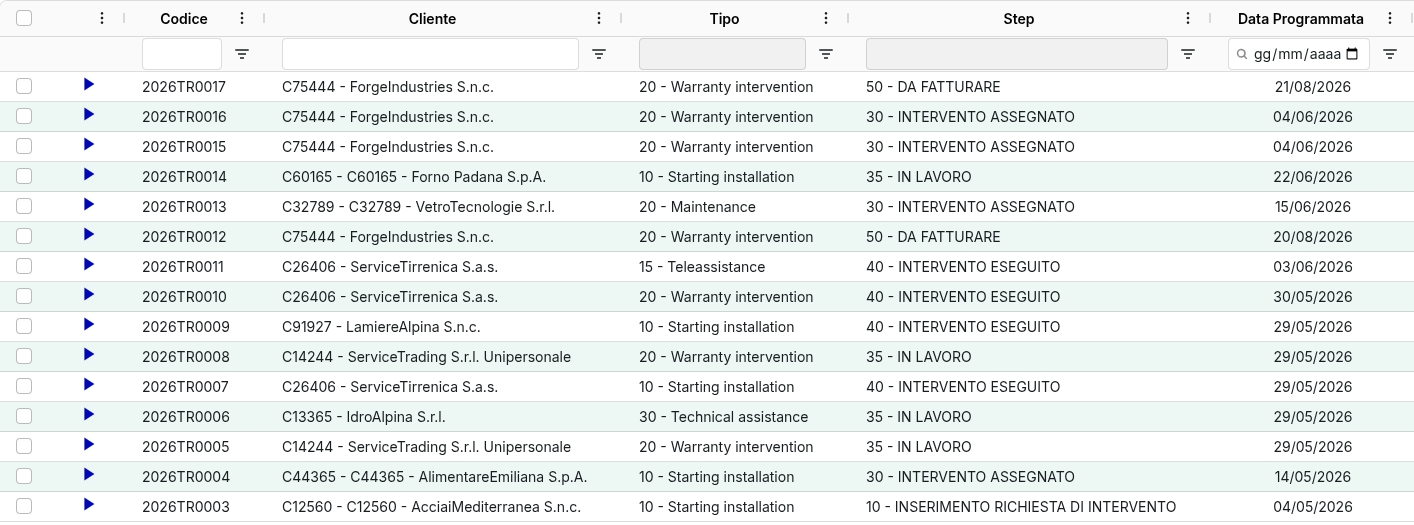
Assignments, reminders, checks and document reading run on their own. People stay on the work that needs judgement.
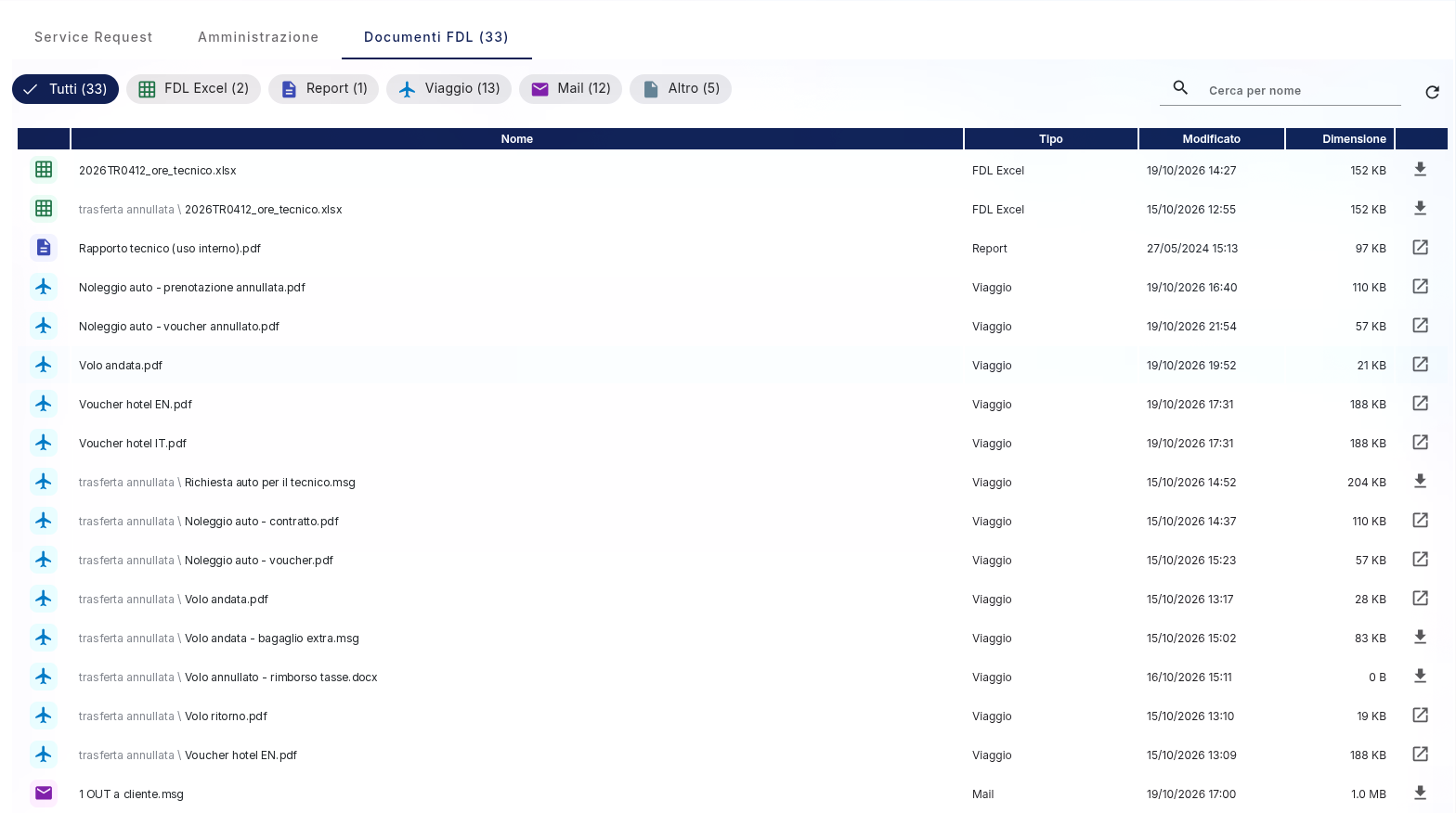
No attachments lost in email. History on the process, not on someone's hard drive.
Same connectors, same status, same audit trail. You start from the most urgent process and extend from there.
Cycles, moulds and quality on the same flow: problems surface while they are still cheap, not at the end of the batch.
More jobs with the same technicians: scheduling, spare parts and job reports in a single loop, fewer wasted trips and the job invoiced sooner.
From first contact to project with no manual hand-offs: faster quotes, budget and agents under control every day, not at the end of the quarter.
Quality, administration, project and IT support: other processes already in production. FluxHub works on top of the ERPs you already have (SAP, Salesforce, Dynamics), with no double entry. We'll show them in the demo.
It depends on the process, which is why we don't quote average percentages. In the demo we take one of your processes and measure volume, time per case and the cost of the manual step: you see the estimated return on those numbers, before you decide. After go-live the same indicators stay on the dashboard, so the result is verified rather than assumed.
No. You start with a single process, the one with the most obvious cost, and put it into production before extending. Processes are designed in a visual editor: the people who know the work model them without writing code, and our team supports you through the first configurations.
The process doesn't leave with them. Steps, rules, documents and the history of every case are in the system: whoever takes over sees where the work stands and what is missing, and a new hire is guided through the workflow step by step.
No. FluxHub works on top of the ERP and CRM already in use (the connectors for SAP, Salesforce and Microsoft Dynamics are in production) and removes double data entry. The investment made in your existing systems stays.
Your data stays in the ERPs already in use; FluxHub orchestrates the steps. Every operation has an author, a timestamp and a version, and the application environment is hosted in the European Union.
A 30-minute demo on one of your processes, not on slides. No commitment.